Upgrade Your Living Area: Vital Details Regarding Home Renovation Work for All Property Owners
Homeowners often seek find this resource options to upgrade their residences via professional remodeling. These renovations extend from kitchen upgrades to complete home renovations. Knowing the choices accessible is crucial for making sound choices. Additionally, there are practical considerations including financial planning and contractor selection. As homeowners commence on this journey, they could face surprising obstacles. Achieving a successful makeover depends on careful planning and execution. What steps should be taken next?
Grasping the Diverse Forms of Residential Renovation Work

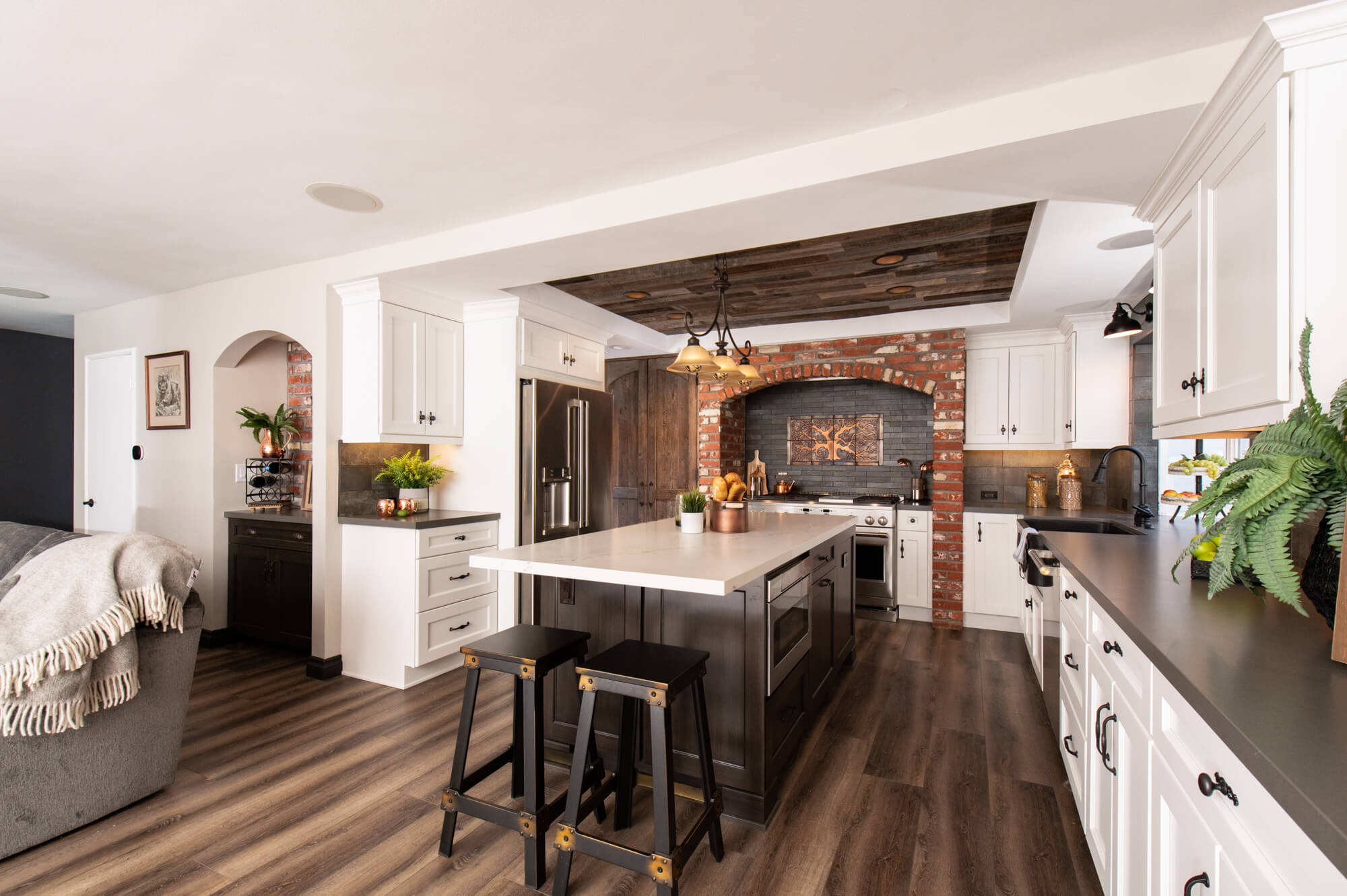
When property owners think about upgrading their living spaces, they often encounter a variety of remodeling services tailored to different needs and preferences. These services can be broadly categorized into several types, each addressing specific aspects of residential enhancement. Kitchen renovations center on updating appliances, storage units, and layouts to improve usability and aesthetics. Bathroom upgrades generally mean updating the hardware, the ceramic work, and shelving options for improved comfort and design.
Whole-home remodeling encompasses extensive modifications to the entire house, often including structural alterations to optimize space and movement. External improvement work, in contrast, aim to improve the property's street view, dealing with the cladding, roofing, and the garden design. Moreover, niche projects such as completing the basement and loft remodeling allow homeowners to maximize unused areas. All these service types offers unique benefits, letting residents pick services that align with their vision for their residence. Knowing these variations is crucial to choosing wisely during the renovation process.
Creating an Attainable Financial Limit for Your Remodeling Project
How can homeowners guarantee their remodeling projects remain economically sound? Establishing a realistic budget is essential. Property owners must start by assessing their monetary resources, including savings and potential financing options. This initial step will help determine the funds available for the remodel without jeopardizing other monetary duties.
Subsequently, property owners need to research the costs associated with their desired renovations, taking into account materials, labor, and unexpected costs that frequently occur. Making an exhaustive list of needs will assist in identifying must-haves versus nice-to-haves, enabling modifications if the finances are strained.
It is prudent to set aside an emergency fund, generally 10-20% of the entire budget, to handle unforeseen expenses. Frequently checking and modifying the budget during the renovation project can further assist in keeping finances in check. Ultimately, a well-planned budget not only guarantees project viability and makes the whole updating experience better for homeowners.
Selecting the Appropriate Contractor to Suit Your Project.
Finding a suitable builder can greatly impact the success of a remodeling project. Homeowners should begin by doing comprehensive research, looking for suggestions from acquaintances, relatives, or web feedback. It is essential to confirm documentation, including licenses, insurance, and bonding, to establish credibility.
Once potential contractors are identified, they should seek detailed cost breakdowns and timeframes, allowing for informed comparisons. Interviews provide insight into communication styles and professionalism, which are crucial for working together effectively.
In addition, looking at completed jobs through galleries or recommendations can reveal a contractor's quality of workmanship. It is wise to question them regarding warranties or safeguards, reflecting the contractor's confidence in their work.
Finally, picking a builder whose approach fits the property owner's ideas, cost plan, and timeframe fosters a more positive remodeling experience, guaranteeing that the project meets expectations and successfully updates the home's interior.
Organizing and Conceptualizing Your Ideal Space.
As those renovating imagine their desired rooms, careful planning and thoughtful design form vital parts of a triumphant renovation effort. The initial phase includes assessing present requirements and long-term goals, allowing for a thorough understanding of how the space will be used. When planning, homeowners should evaluate practicality, visual appeal, and their individual taste, making sure the design captures their unique preferences.
Following this, creating a detailed budget is vital. This budget should account for materials, labor, and possible unexpected costs. Hiring professional designers can give meaningful advice, helping to optimize the space while sticking to budgetary constraints.
Integrating components like ample daylight, open layouts, and sustainable materials can enhance the overall experience. In conclusion, seeing the project via mock-ups or 3D visualizations can help perfect concepts prior to construction. When handling the initial design phase deliberately, homeowners can create an inviting, efficient space customized for their needs.
Dealing with Permits and Building Codes in Residential Projects
Grasping the intricacies of permits and rules can be challenging for homeowners starting on a remodeling project. Each municipality has specific rules that determine what is allowed during renovations, often influenced by area restrictions, construction standards, and security requirements. Homeowners must familiarize themselves with local regulations to prevent expensive penalties or project delays.
Generally, securing permits is essential for significant alterations, such as modifying load-bearing elements or new wiring installations. This process frequently requires submitting blueprints for approval and may require inspections at multiple points.
Hiring an experienced builder can streamline these steps, as they are usually well-versed in local regulations and can aid in filing necessary forms. Owners must also maintain clear communication with the city's regulatory body to ensure adherence throughout the project. By understanding and maneuvering through these requirements, homeowners can fulfill their improvement aims while guaranteeing that the work is safe and legal in their renovations.
Common Queries
How Much Time is Needed for a Typical Remodeling Job?
The average remodeling job typically spans between three to six months, contingent upon the extent of the project, size of the home, and supply chain status. Intricate jobs could demand more time for completion.
What are some frequent blunders that people make when renovating?
Common mistakes in the remodeling process are things like underestimating budgets, not securing the required permissions, not adhering to the project schedule, not maintaining clear communication with your builders, and failing to think about long-term functionality. Awareness of these pitfalls can lead to a smoother, more successful remodeling experience.
How do I choose the right materials for the job?
Selecting appropriate supplies means considering their resilience, aesthetics, and cost constraints. Researching options, getting expert advice, and factoring in how much care they require will significantly help in making informed decisions, making sure the renovation matches your functional and aesthetic goals.
Is it possible to stay in my house during renovations?
Yes, one can live on the premises while work is ongoing, but it may lead to inconvenience. Detailed organization, maintaining open dialogue with your builders, and setting aside certain zones for essential activities can help minimize disruption during the process.
What guarantees should I look for by my builders?
Homeowners should expect warranties that guarantee the quality of the work, the products installed, and the integrity of the structure, typically ranging from one to ten years. It is essential to examine the exact provisions with contractors to know the full extent of the guarantee and its restrictions.